Asheville, North Carolina

Zone 7a · 2,100 feet

The Usual Good

Herbs, tomatoes, and whatever the mountain weather allows.

From the yard

Seventeen Years in the Same Yard

We moved here in 2009 and I have been planting the same ground ever since. It took about twelve of those years to stop fighting it.

Heather Brannon 5 min read

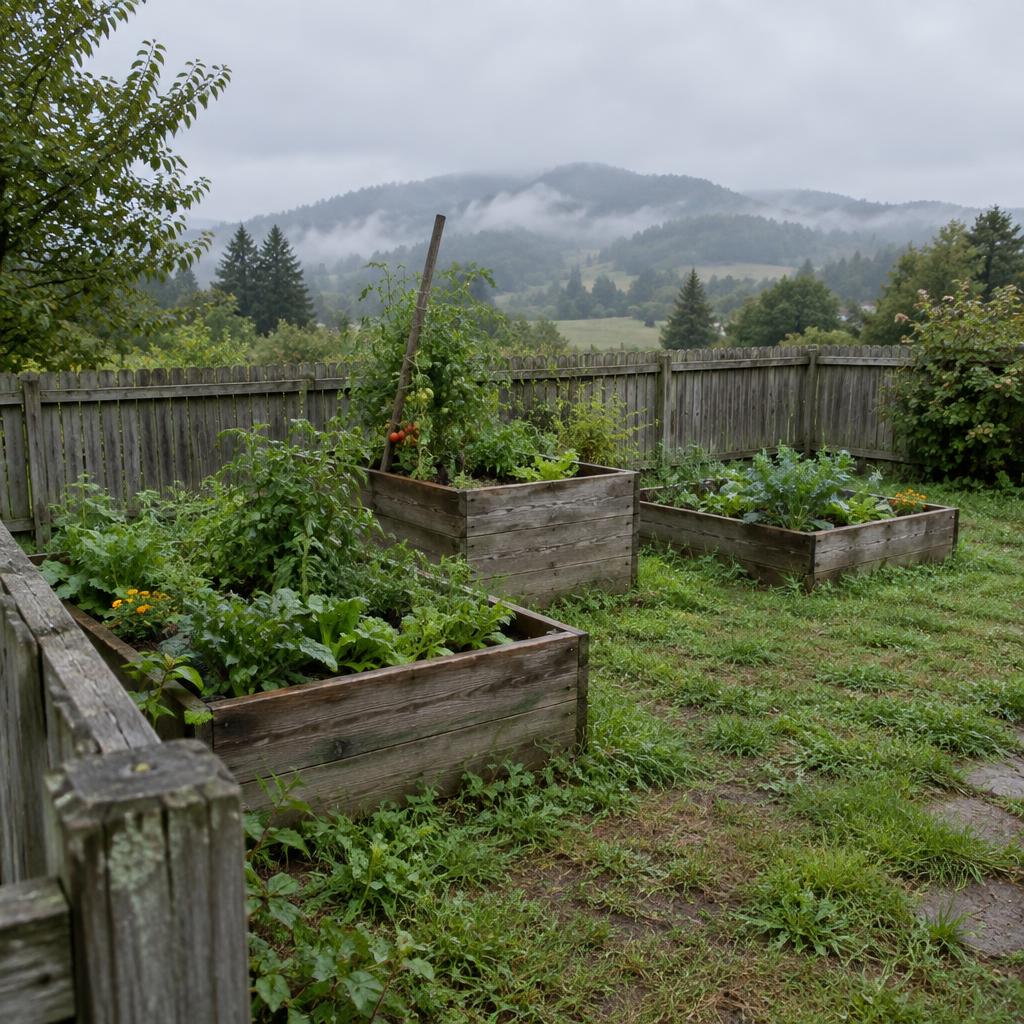
A small backyard garden seen from the corner of the fence: three raised beds of uneven height, a leaning tomato stake, patchy grass and misty hills in the distance.
Three beds, one of them crooked since the spring I built it in a hurry.

The first year we were here I put in a vegetable garden the way you do when you have a degree in plant sciences and no sense at all. Straight rows. A plan on graph paper. Things that wanted full sun planted in a yard that gets about five hours of it in June and considerably less once the oaks leaf out. I lost nearly all of it and blamed the soil, which was not the problem.

What I know now is that this yard has opinions. The back corner stays wet for two days after rain and there is no amending that away. The strip along the fence bakes. Anything in the bed nearest the house gets found by deer in August, every single year, no matter what I read about marigolds. You can spend a long time treating those things as obstacles, and I did.

The garden teaches patience or it teaches nothing.

Somewhere around year twelve I started planting what the yard already wanted. Ferns and hostas in the wet corner. Rosemary and thyme along the hot fence, in pots, where the drainage does what I cannot. Tomatoes in the only bed that gets a real afternoon, staked higher than seems necessary, because the wind comes down off the ridge in July and it does not care about my stakes.

The garden got better almost immediately, which was humbling. Seventeen years and the biggest improvement came from paying attention rather than trying harder.

My husband points out that I still buy seeds for things that have never once worked here. That is true. There is a packet of melon seed in the drawer right now that has no business being there, and I will probably plant it in May, and it will probably come to nothing. Some of this is not about the yield.

I am not a master gardener and nothing here is extension-service advice. This is one yard, in one climate, written down as it happens — heather@theusualgood.com.
The Beds

What is growing, and what is not

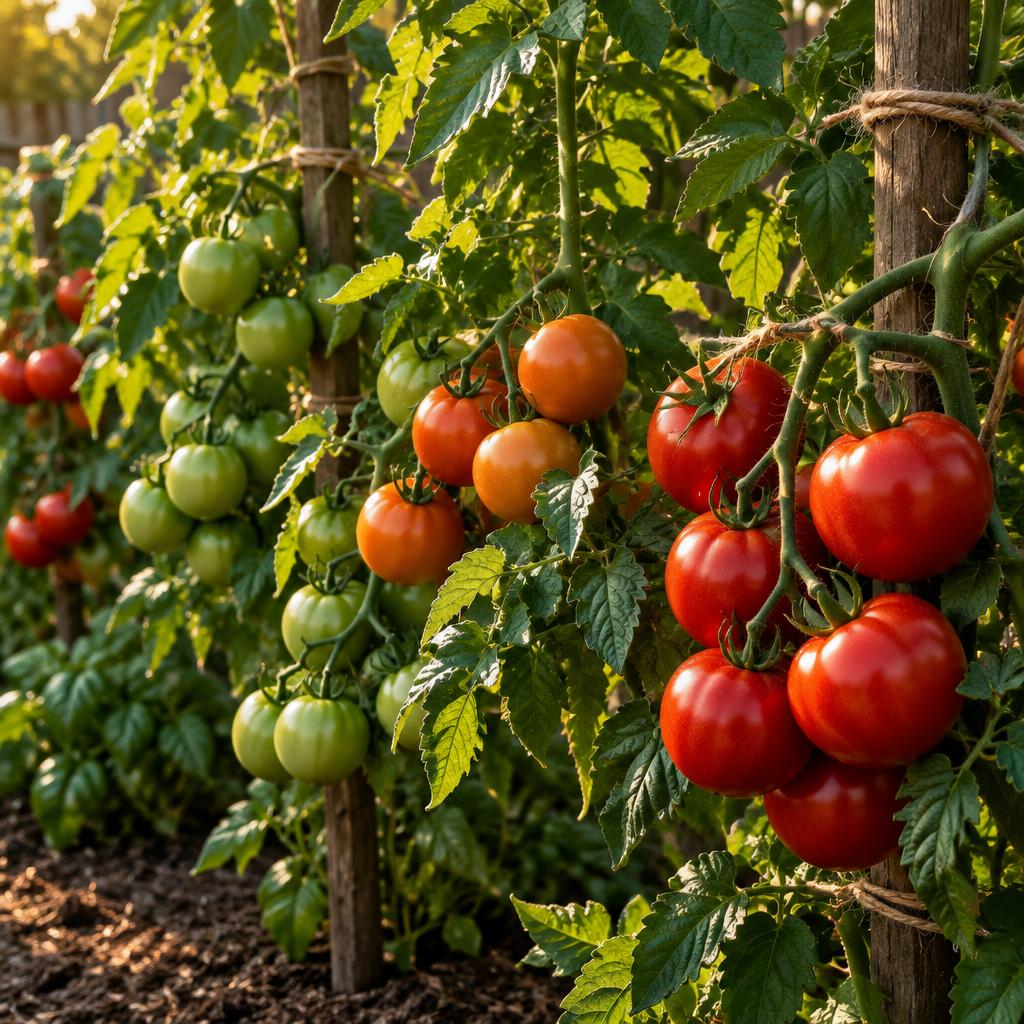
Tomatoes ripening on the vine at different stages, green to orange to deep red, staked with twine in a backyard bed.
Cherokee Purple, still deciding.

What I Plant Now, and What I Have Given Up On

Every February I do the same arithmetic, and every year the list gets a little shorter and a little more honest.

Plant every year: tomatoes, basil, thyme, rosemary in pots, green beans, a row of lettuce in the cool end of spring, and whatever perennial has already proved it will come back without me. These earn their space.

Given up on: corn, which needs more room and more sun than this yard will ever have. Carrots, because our soil goes to clay about eight inches down and I am not sifting a bed by hand again. Cauliflower, for reasons I still find annoying. And full-sized melons, though as noted, I keep buying the seed.

The useful part of the list is not the crops. It is that I stopped planting things because a catalog photograph was beautiful in January, and started planting things that had actually worked here twice.

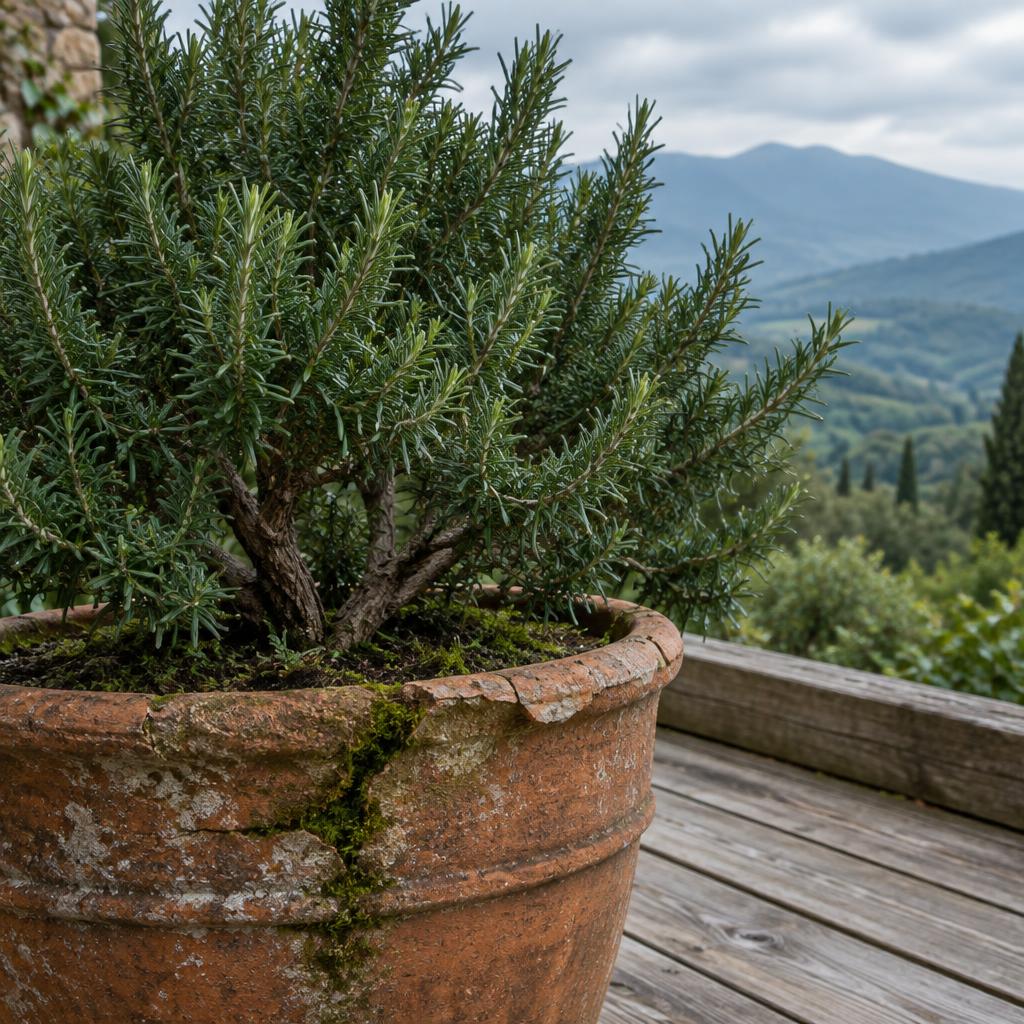
A large weathered terracotta pot holding a thick woody rosemary shrub on a wooden deck, with a chipped rim and moss in the cracks.

The Rosemary Has Outlived Most of My Ideas

That pot has been through two moves, one drought, one winter I was sure had killed it, and one very confident afternoon when I cut the whole plant back to almost nothing because I had read something about renewal pruning.

It is woody now, and a little lopsided, and it smells like the whole deck when it rains. Rosemary in this climate wants three things and none of them are attention: drainage it can count on, a spot against a wall that holds some warmth, and to be left alone from November to March.

I bring it up because the plants that have done best here are almost all in that category. Tough, unfussy, and mildly insulted by intervention.

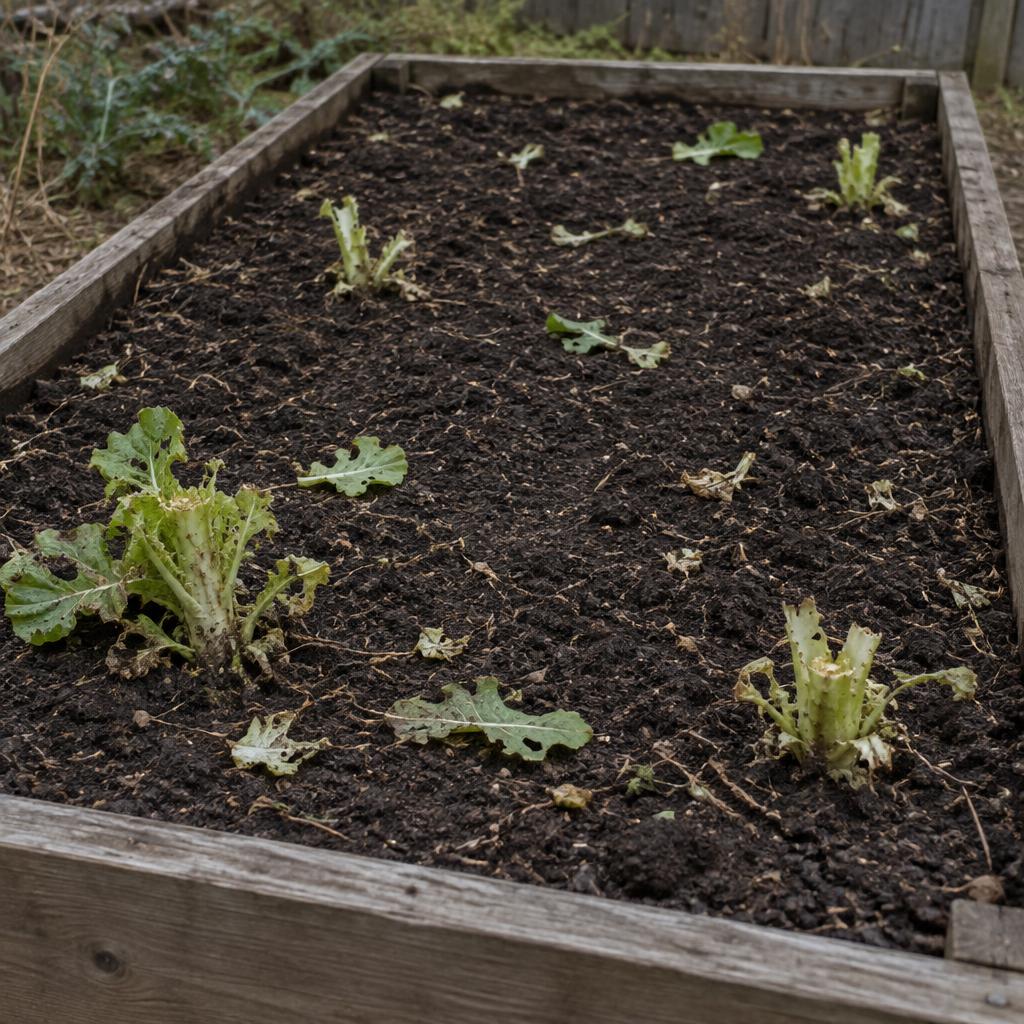
An empty raised garden bed with chewed lettuce stems and bare dark soil, a few ragged leaf fragments left behind in a low wooden frame.
Twelve heads of lettuce, or what is left to show for them.

Something Ate the Lettuce

Not nibbled. Not sampled. Twelve heads taken down to the stems in what I have to assume was one enthusiastic night, and my only evidence is a gap in the fence line I had been meaning to deal with since March.

I could put up better fencing. I probably will. But I have also grown suspicious of the version of gardening where every loss gets engineered out, because the beds that give me the least trouble are the ones I stopped defending so carefully.

Lettuce is cheap and the fall planting goes in next week. Whatever it was is welcome to try again.

The Kitchen

What comes inside, and what gets put up

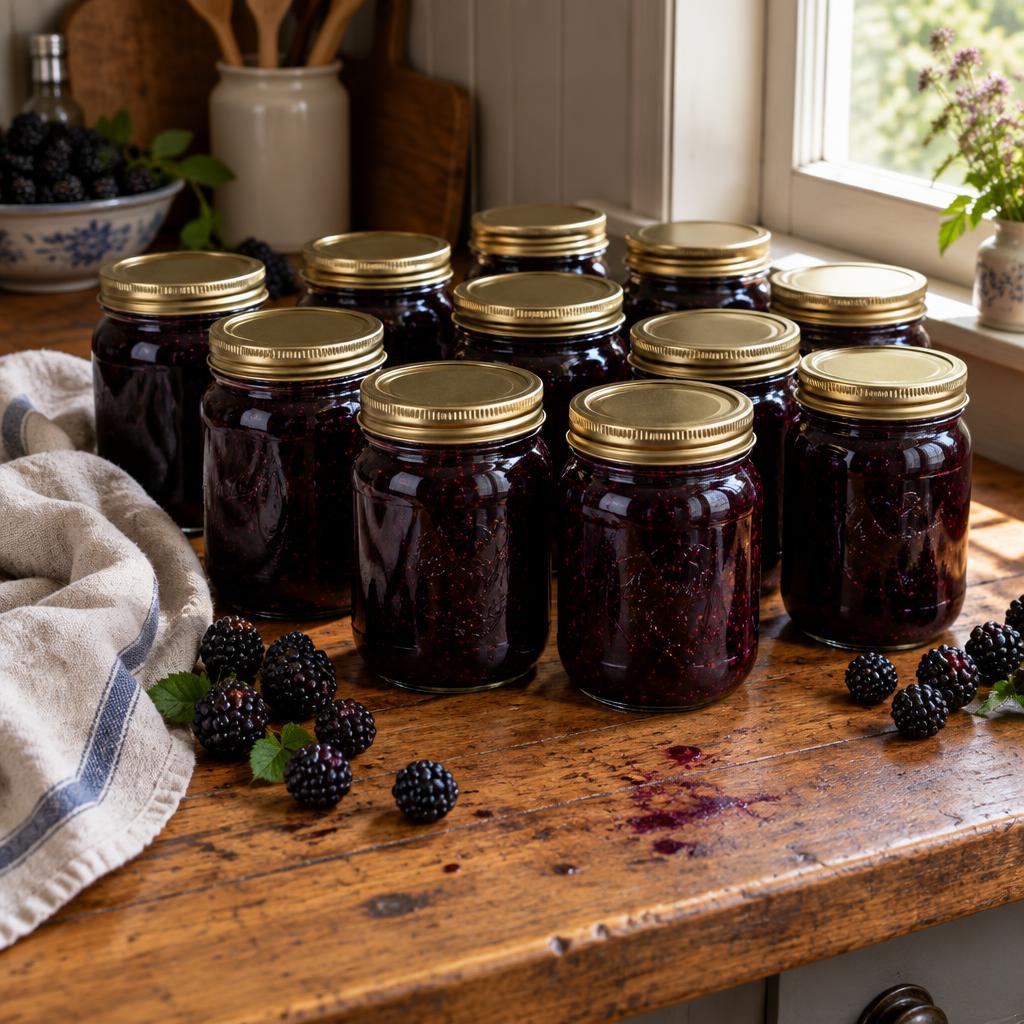
Twelve glass jars of dark blackberry preserves cooling on a worn wooden kitchen counter with brass lids, a bunched linen towel and scattered berries.
Twelve jars, one purple stain on the counter that is not coming out.

Twelve Jars, and the Middle of February

The blackberries along the back fence came in heavy this year, which happens about one summer in three and never when you have planned the week around it. We picked for two evenings and I put up twelve jars on a Thursday, and the kitchen smelled like it for days afterward.

I am not going to walk you through a recipe. Canning is one of those things worth learning from a source that gets tested and updated — the National Center for Home Food Preservation publishes current processing times, and they matter more than anything I could tell you about my grandmother's pot.

What I will say is why I still do it, which is not thrift. Jam is cheap at the farmers market and mine is not better than theirs. It is that sometime around the middle of February, in the gray stretch when nothing outside is doing anything at all, I open one of those jars and the whole summer is in it.

That is a strange argument for an afternoon of work and a stained counter. It holds up anyway.

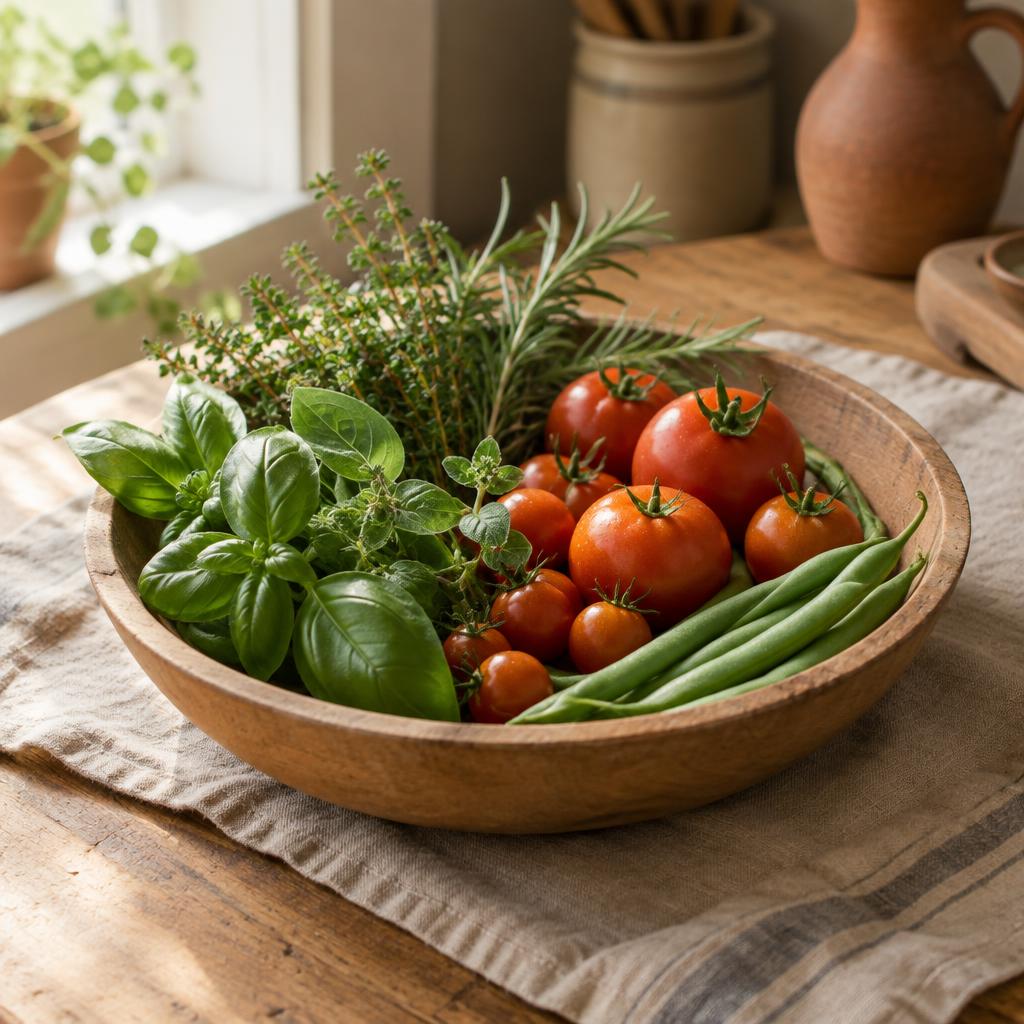
A small harvest of herbs, tomatoes and a few green beans arranged loosely in a shallow wooden bowl on a kitchen table over a worn linen cloth.

What a Backyard Harvest Actually Looks Like

Four tomatoes, a handful of beans, more thyme than anyone needs and one cucumber shaped like a question mark. That is a Tuesday in September here, and it is worth saying plainly, because the photographs that get shared around tend to show a bushel basket.

A yard this size does not feed a household. It changes about two dinners a week, and it means I have not bought a bunch of herbs at the store since May. Those are real, modest returns and I have stopped apologizing for the scale of them.

Dinner that night was the tomatoes on toast with salt and too much olive oil, standing up, before my husband got home. Some of the harvest does not make it to a plate.

Field Notes

Shorter things, as they happen

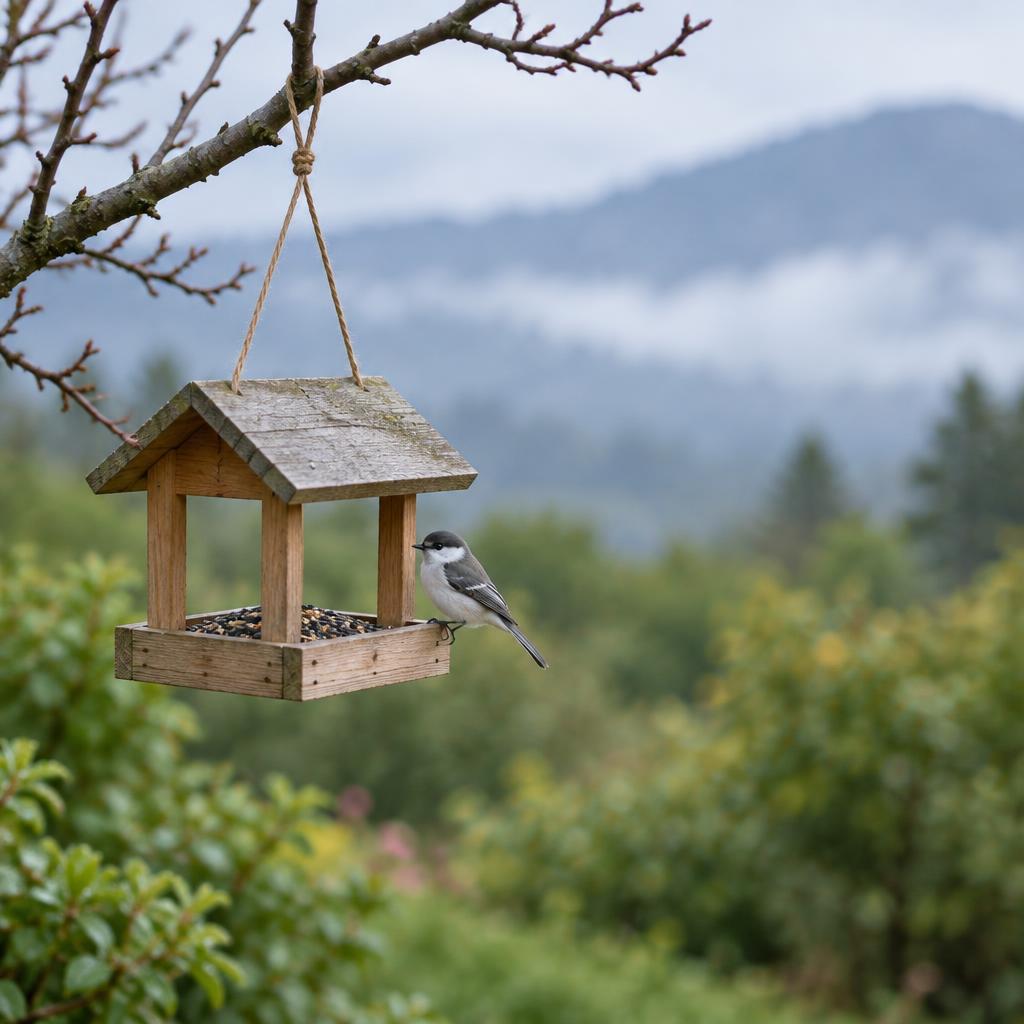
A small wooden bird feeder hanging from a bare branch with a tiny gray and white songbird perched on the rim, a blurred misty ridge behind.

The Chickadee Has No Caution Left

There is one that lands on the feeder before I have made it back to the porch. It has been doing this since June and shows no sign of reconsidering.

I have decided to take it as a compliment rather than as evidence that I move slowly.

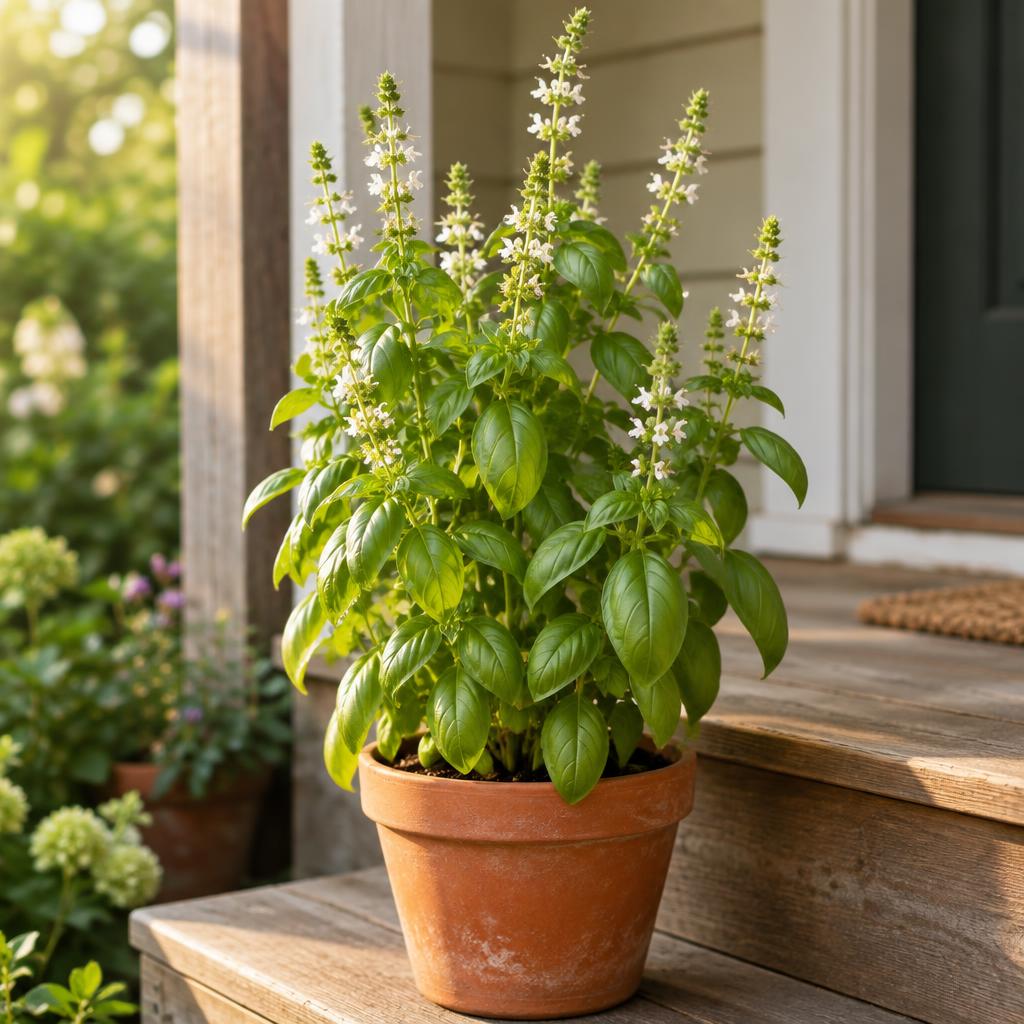
A tall basil plant gone to flower in a terracotta pot, slender white blossom spikes rising above the leaves, on a wooden porch step.

The Basil Bolted

It went to flower while I was at the nursery four days running, which is a very on-the-nose way for that to happen.

The leaves turn sharp once it flowers. The bees are thrilled. I am leaving it up and buying basil like everyone else for the rest of the month.

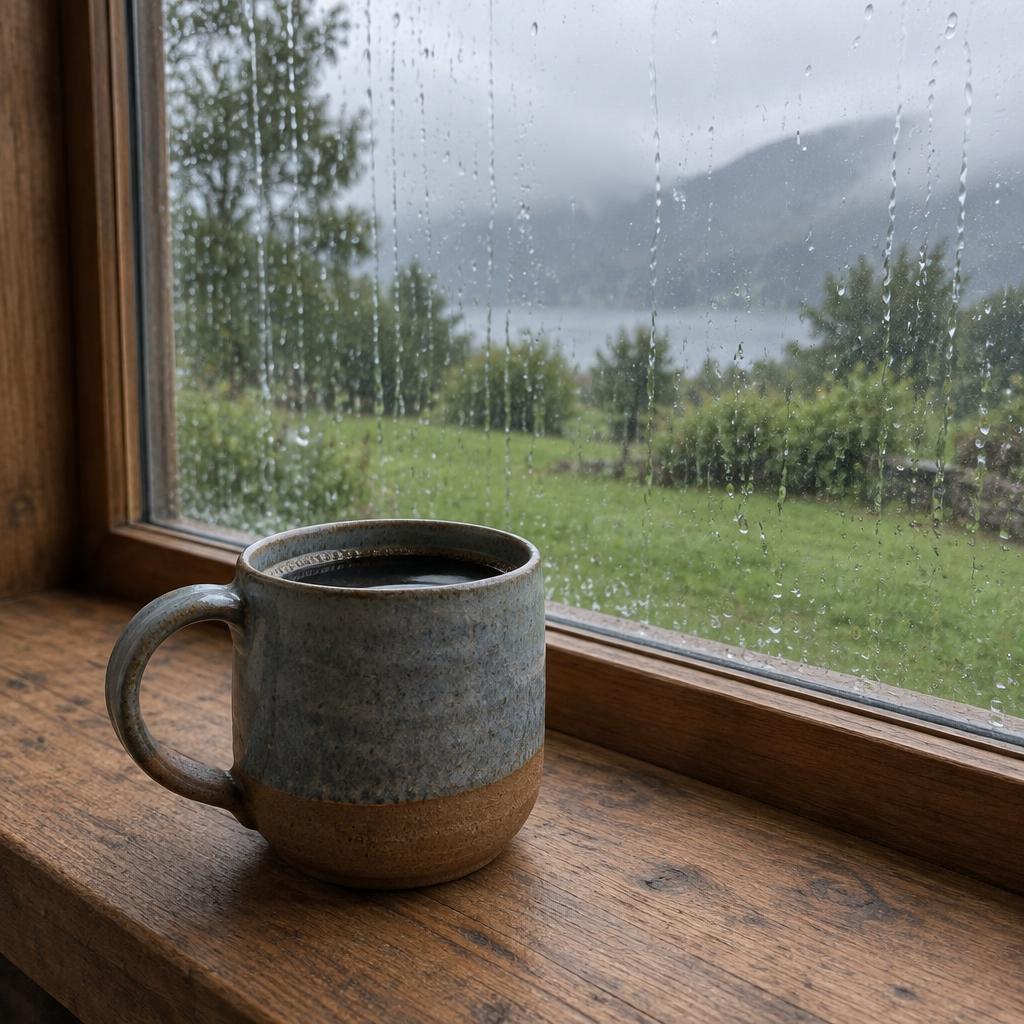
A plain stoneware mug of black coffee on a wide wooden windowsill, with a rain-streaked window looking out to a blurred green yard and foggy hills.

A Rained-Out Morning

Nothing got done out there today, and the beds needed the water more than they needed me in them. ☕

Rain on the roof does something for my head that no amount of getting organized ever has.

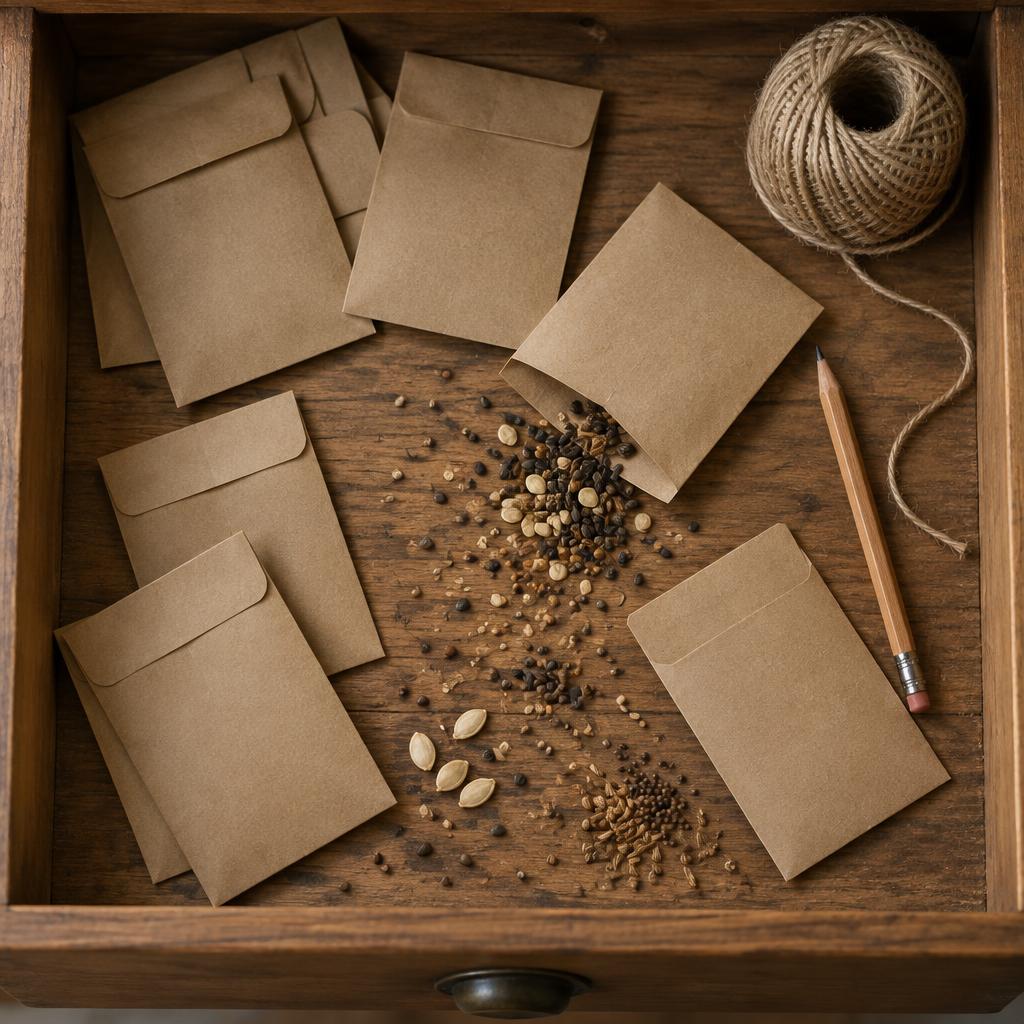
Plain unlabeled brown paper seed envelopes scattered in an open wooden drawer alongside a pencil and a ball of garden twine, with dry seeds spilled on the wood.

The Seed Drawer, Unsorted

Half of these are from 2023 and the labels have worn off two of them. Germination drops with age, though less dramatically than the catalogs imply.

I test the doubtful ones on a damp paper towel in March. It settles the argument in a week.

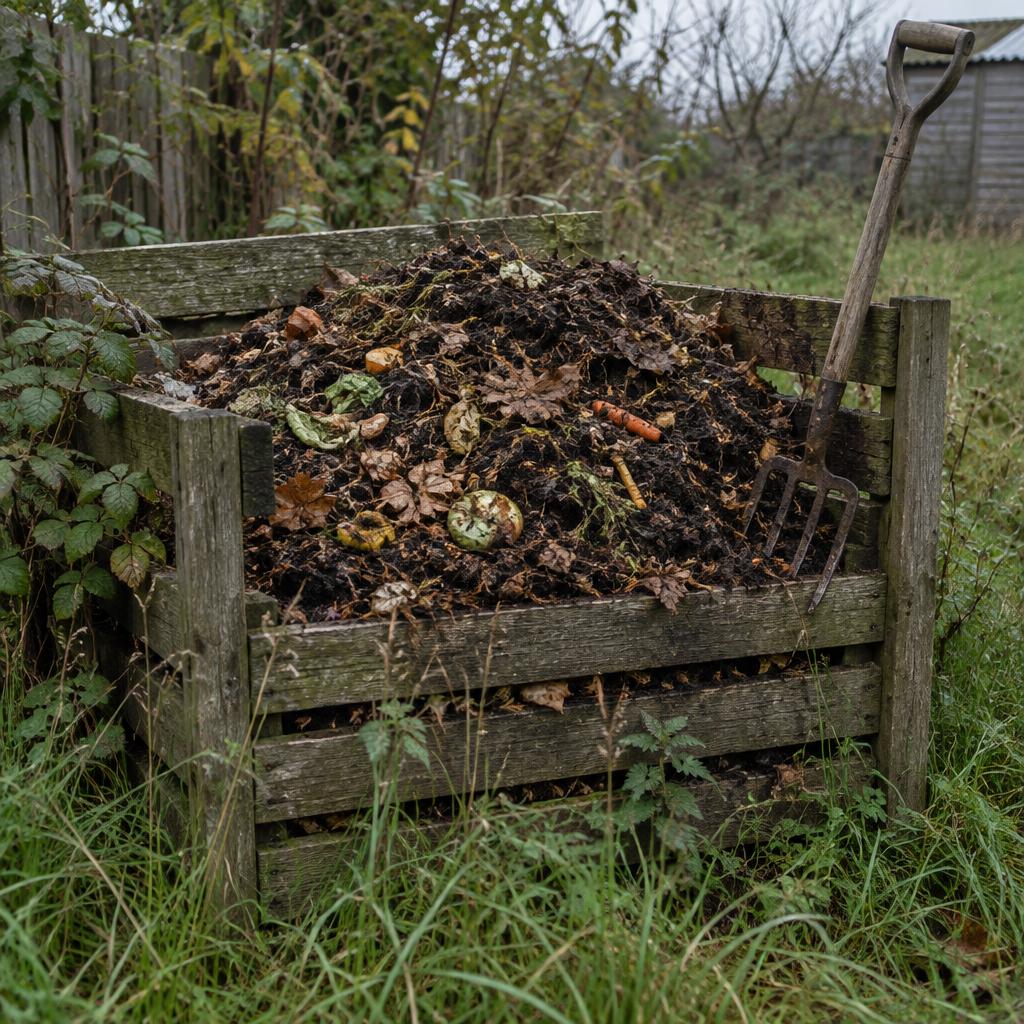
A rough compost heap in a slatted wooden bin at the back of a yard, dark crumbling material with vegetable scraps and dry leaves, a pitchfork stuck in the side.

The Least Photogenic Thing Here

It is a pile of scraps and leaves in a slatted box and it has done more for these beds than anything I have ever bought in a bag.

I turn it when I remember. It works anyway, slower.

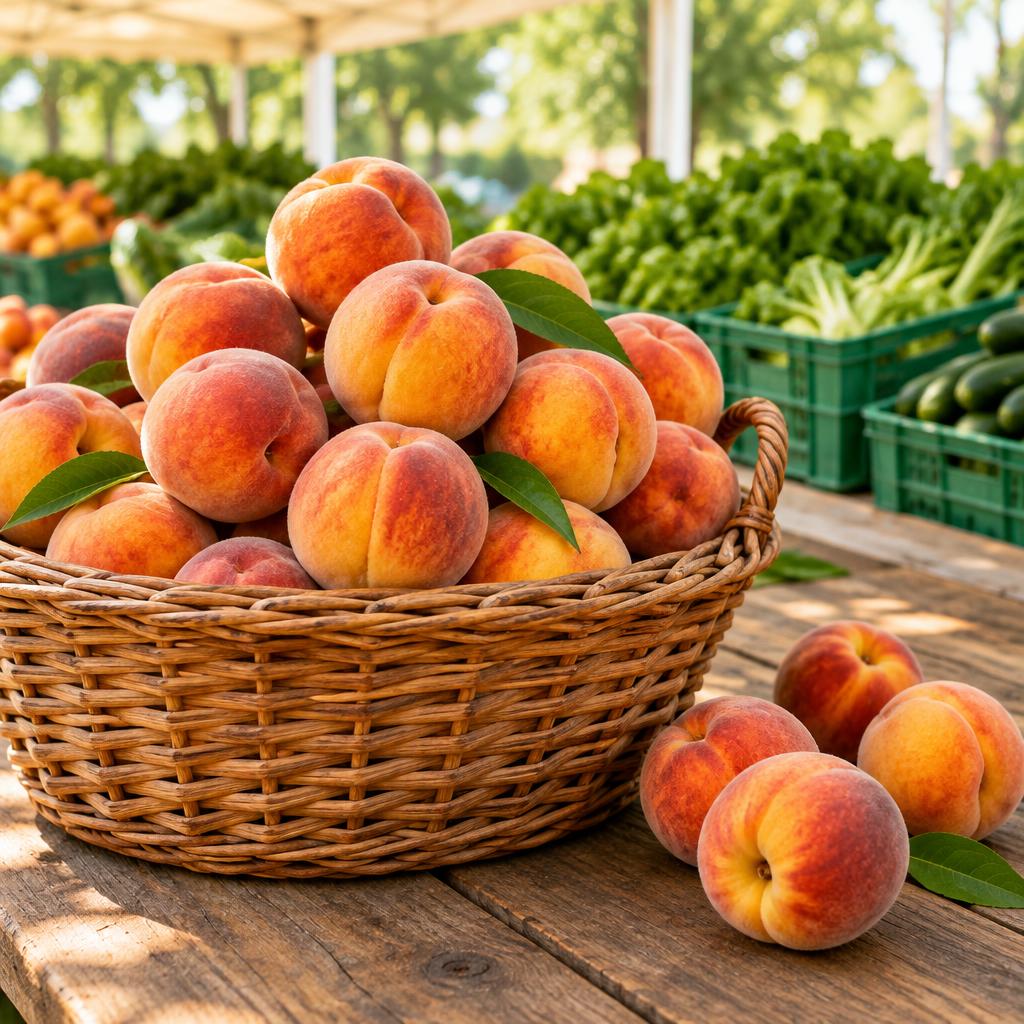
A woven basket heaped with ripe peaches on a wooden farmers market table, a few loose peaches rolled to the side and blurred green produce crates behind.

Peaches I Did Not Grow

There is no peach tree in this yard and there is not going to be. The last of the South Carolina peaches came through the market this week and I bought more than two people can eat.

Growing some of it yourself is not an argument against buying the rest.

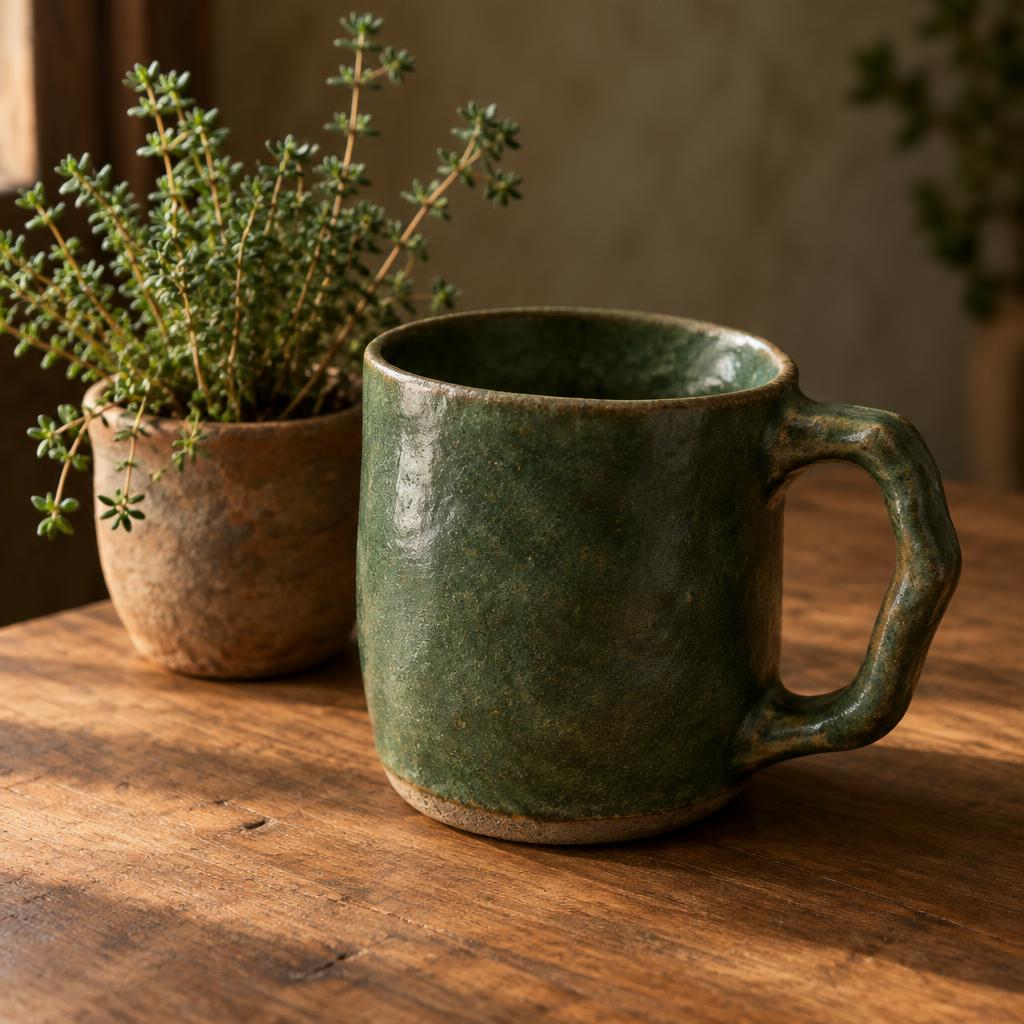
A slightly lopsided handmade stoneware mug with a matte green glaze and an uneven handle, on a wooden table beside a small clay pot of thyme.

The Handle Came Out Crooked

Second one off the wheel this year. The glaze did something I did not plan and the handle sits about four degrees off true.

I use it every morning. The straight ones are still in the cabinet.

The Ridge

Short walks and the weather they happen in

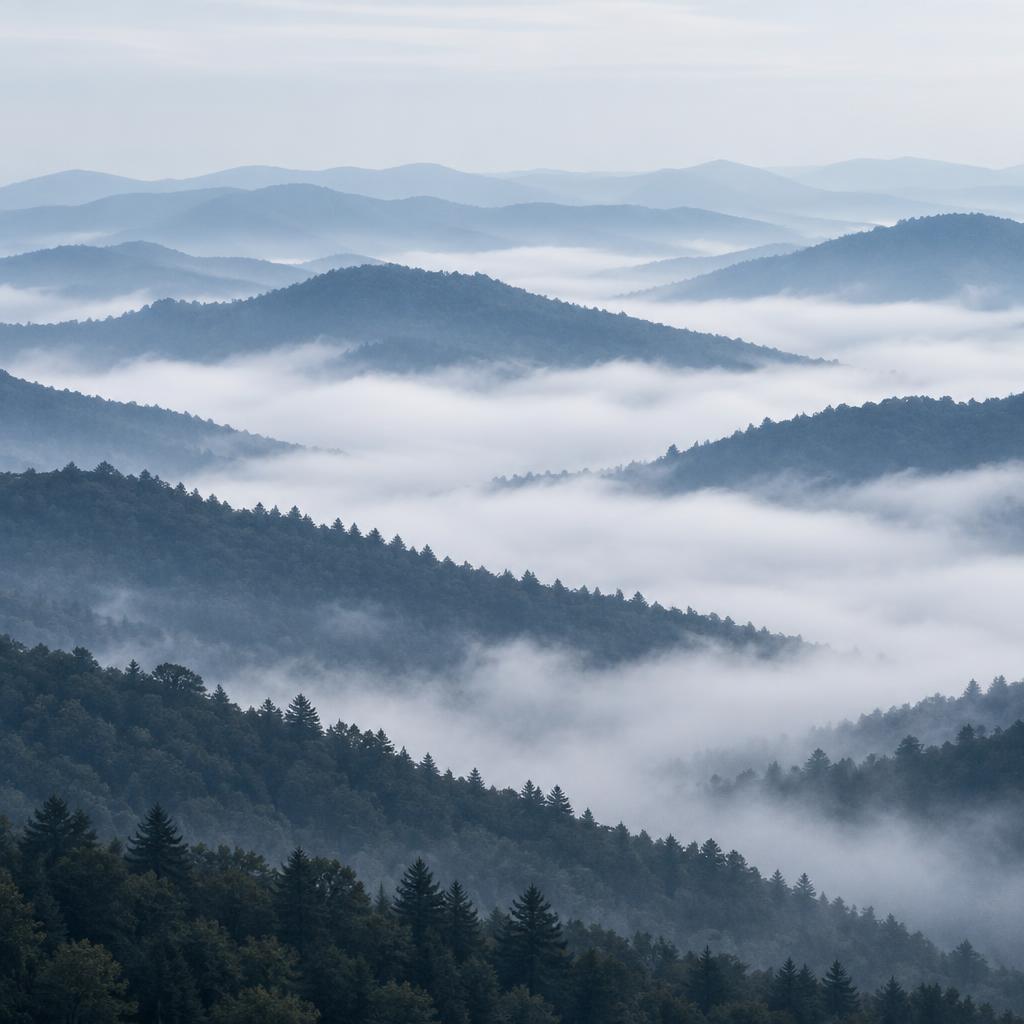
Layered Appalachian mountain ridges receding into thick low fog, valleys filled with white mist and forest silhouettes fading toward a pale sky.
The view most mornings from about the middle of September onward.

Fog Does Most of the Work Around Here

People move to these mountains for the long blue views and then find out that a good share of the year you cannot see the next ridge at all. The valleys fill overnight and stay full until ten or eleven, and from the yard it looks like the world ends at the fence line.

It is also why things grow here the way they do. The fog is water, and it settles on everything, and a bed that would burn out in a Tennessee August comes through a September here in reasonable shape.

I spent my first years wanting the clear mornings. Now I plan around the other kind, because that is most of them.

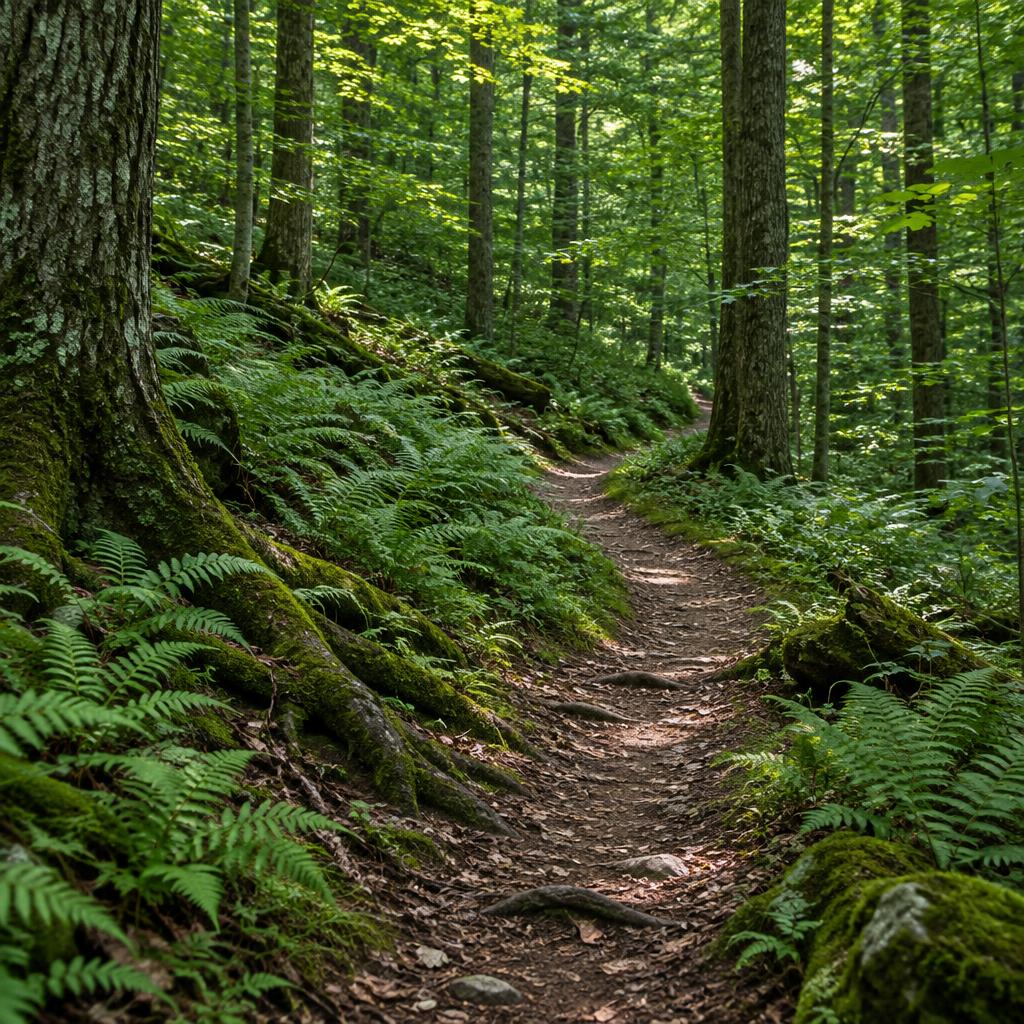
A narrow dirt footpath curving through an Appalachian hardwood forest, ferns and moss-covered roots crowding both sides, dappled light through the canopy.

I Took the Short Loop

There is a trail near here with a long version and a short version, and I have done the long one maybe four times in seventeen years. The short one I have done hundreds.

For a while I felt vaguely bad about that, the way you do about a thing you could technically be doing more impressively. That has worn off. Going a little way is still going, and the ferns at the first bend are the same ferns either way.

What the short loop has that the long one does not is that I actually do it, on an ordinary Tuesday, without planning for it.

About The Usual Good

What this is

A backyard gardening journal written from Asheville, North Carolina, since April 2026. Herbs, tomatoes, preserves, birds at the feeder, short walks, and the weather that decides most of it.

The name is a small joke about gardening. You plant more or less the same things, they do more or less the same thing, and it is good in the same ordinary way every year.

Who writes it

Heather Brannon. Raised in Chattanooga, Tennessee; studied plant sciences at the University of Tennessee, Knoxville; in Asheville since 2009. Part-time at a local plant nursery, married, reliably outnumbered by houseplants.

Every word and photograph here is hers, and she reads everything that comes to the inbox.

How this works

What gets written about is what actually happened in this yard, including the failures, which are most of the interesting part. No sponsored posts and no affiliate links. If that ever changes it will be said at the top of the piece, not buried underneath it.

Nothing here is professional horticultural, food-safety, medical or legal advice. For home canning in particular, follow tested processing guidance rather than anything you read on a blog, this one included.

Corrections and contact

Getting a plant name or a date wrong is easy and I would rather be told. Write to heather@theusualgood.com and the piece gets corrected with a note saying what changed.

The same address reaches me for questions, permissions and anything else.